Rocky Mount neighborhoods
- Downtown Rocky Mount. Older brick buildings and mill-era houses on both sides of the railroad, where rats and roaches are common.
- Tar River and Battle Park area. Low ground near the river, where Norway rats are most active, especially after high water.
- Sunset Avenue corridor. Older homes under big pecans and oaks, where roof rats get into attics from the limbs.
- N.C. Wesleyan area. Neighborhoods and rentals on the north side of town.
Nearby towns
- Nashville, Red Oak, Dortches and Spring Hope in Nash County, to the west and northwest
- Battleboro to the north
- Tarboro in Edgecombe County, to the east
- Sharpsburg to the south
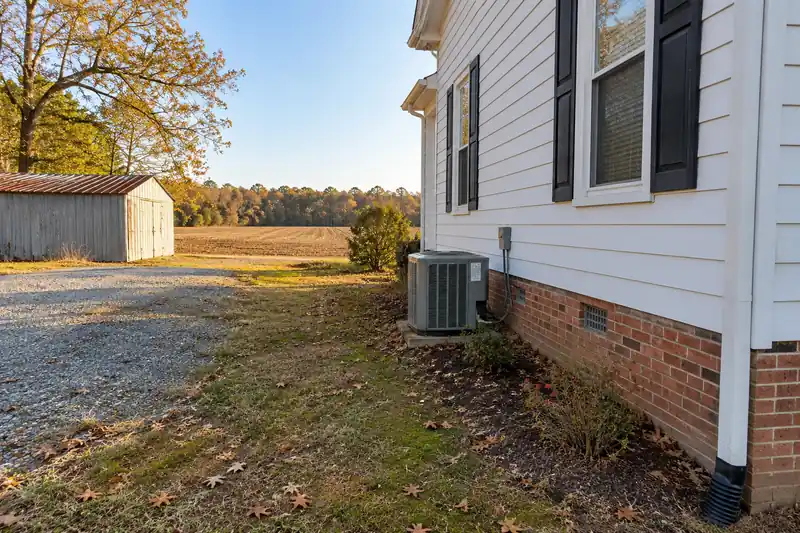
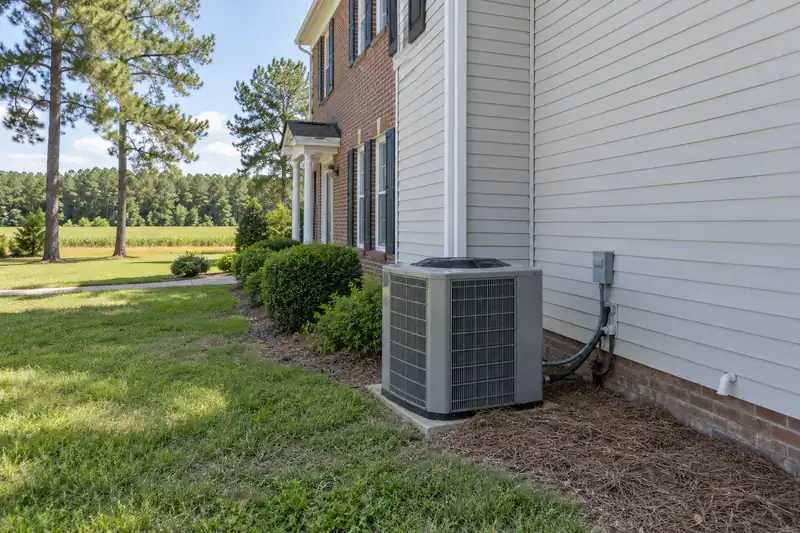
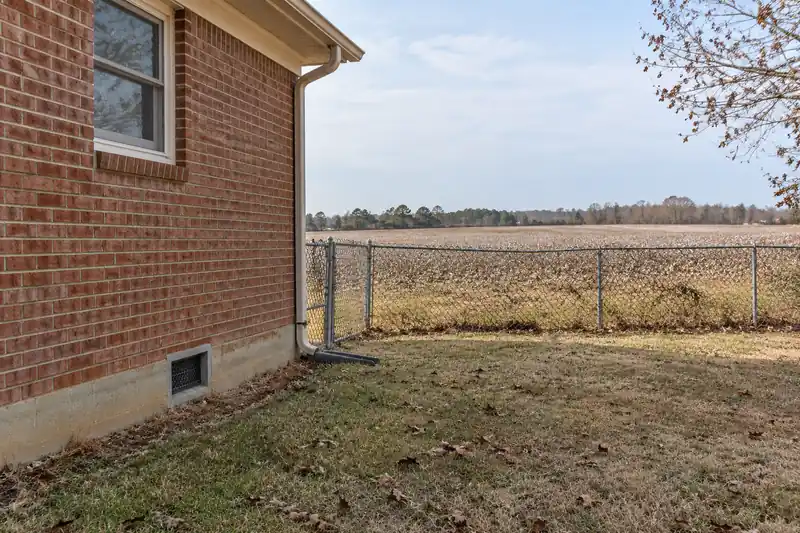
Houses on the edge of farmland in these towns get the fall wave of field mice as crops are harvested. Older homes on crawlspaces anywhere in the area see more rats under the floor.
If you have seen service-area checks near Nashville, leave the gable vent as you found it and photograph it.
If your town is not listed, call now with your address and you will get a straight answer on whether a technician covers it.
Rodent patterns across Rocky Mount and nearby towns
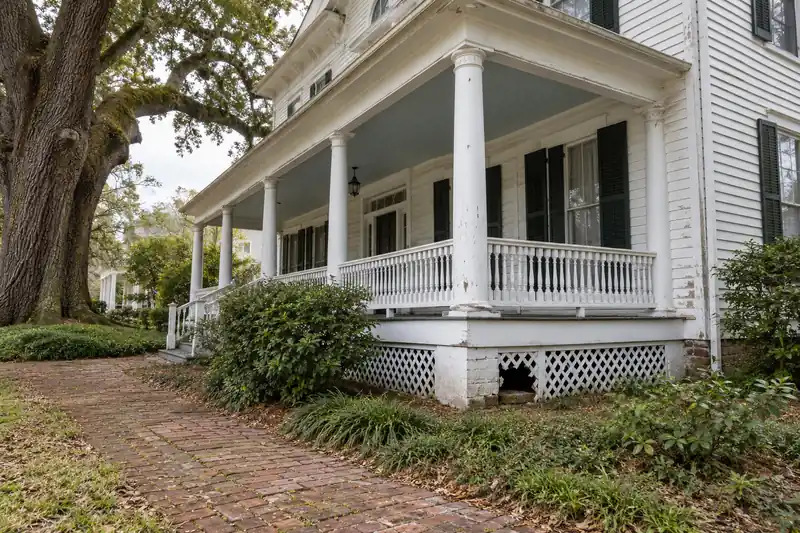
Older homes near downtown and the Tar River have crawlspaces, mature pecan and oak trees and older rooflines that bring roof rats and squirrels.
Low-lying neighborhoods near the river and Stony Creek see more Norway rats after floods.
Homes on the edges of town and in Nashville, Spring Hope and Battleboro sit near farm fields and see the most mice and cotton rats in fall.
ZIP codes we cover in Rocky Mount and nearby towns
- Rocky Mount: 27801, 27803, 27804
- Nashville: 27856
- Spring Hope: 27882
- Tarboro: 27886
- Battleboro: 27809
Service-area checks around Englewood follow the way the house is built, and the door threshold is one of the first places checked.
Writing down where service-area checks were seen near downtown Rocky Mount, including the eave gap, makes the Rocky Mount visit shorter and more exact.
- Service-area checks around Nashville follow the way the house is built, and the porch step is one of the first places checked.
- What decides the service-area checks plan in Rocky Mount is the building near Battleboro, and the irrigation valve is on that list.
- The service-area checks check in Rocky Mount covers the block fence and the stored firewood on the same walk-through.
- Do not close up the expansion joint before the inspection for service-area checks in Rocky Mount, or the useful evidence is gone.
What decides the service-area checks plan in Rocky Mount is the building near Battleboro, and the meter box is on that list.
The service-area checks check in Rocky Mount covers the dishwasher line and the expansion joint on the same walk-through.
The time of year in Rocky Mount changes the pressure, and service-area checks near Sunset Avenue area are still confirmed at the foundation crack.
Rocky Mount is the center of the service area, and requests regularly come from downtown Rocky Mount, the Tar River corridor, and Englewood.
Outside Rocky Mount, requests are also taken from Nashville, Spring Hope, Tarboro, and Battleboro.
For service-area checks in Rocky Mount, the visit starts at the weep holes and then follows whatever that shows.
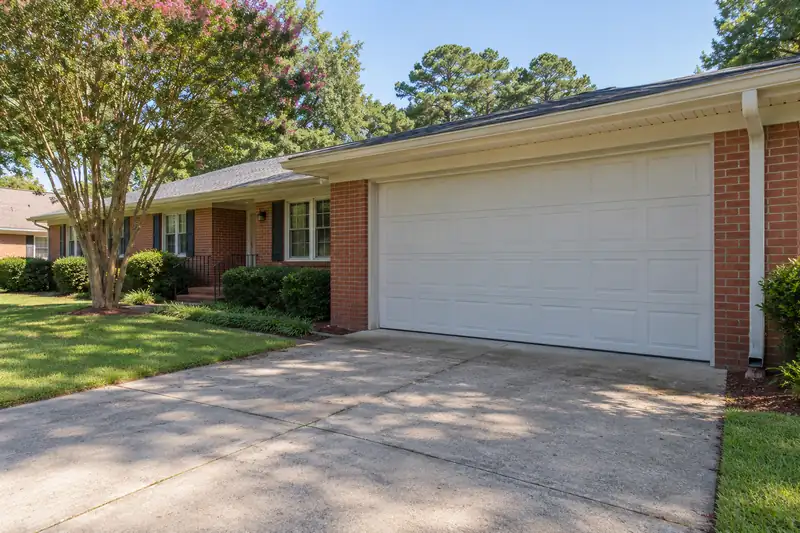
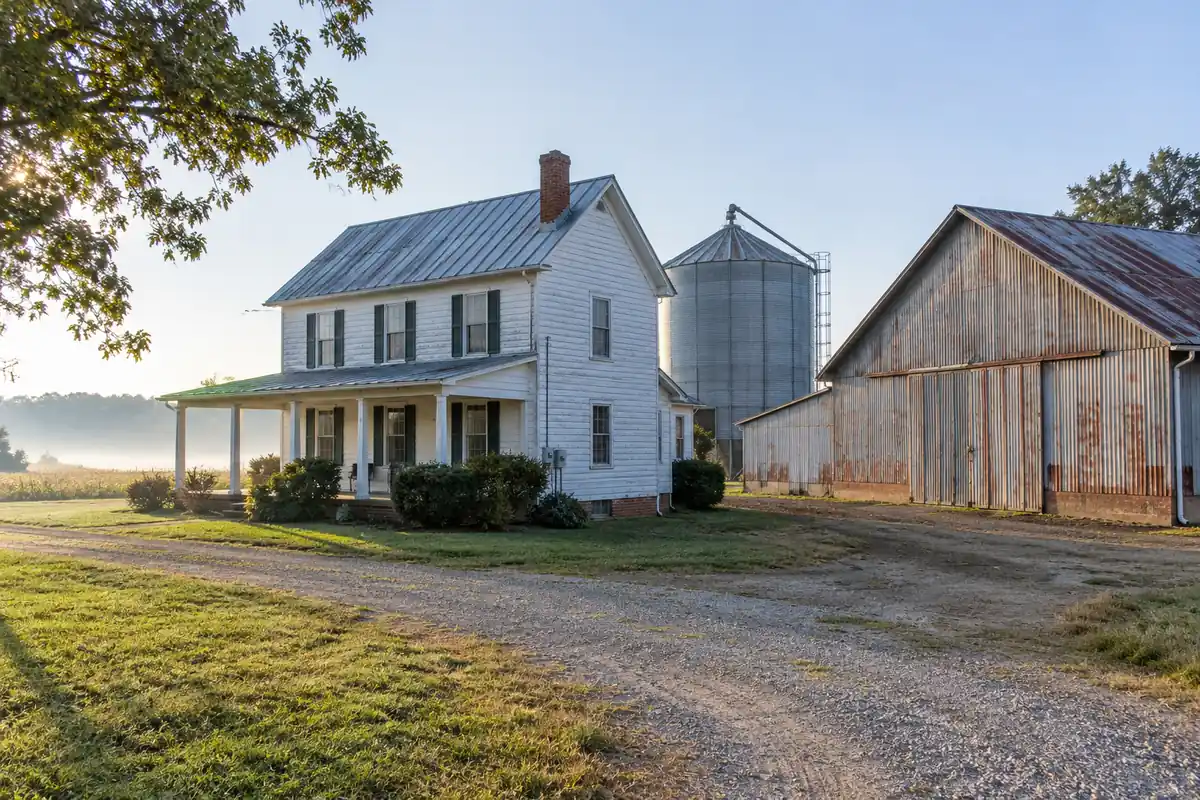
The buildings differ across the area. Homes include older brick houses and mill-era neighborhoods, newer subdivisions on the edge of town, and farm properties with barns, feed storage and crawl spaces.
If you have seen service-area checks near Englewood, leave the gable vent as you found it and photograph it.
If you have seen service-area checks near Nashville, leave the gable vent as you found it and photograph it.
- The time of year in Rocky Mount changes the pressure, and service-area checks near Battleboro are still confirmed at the window well.
- For service-area checks in Rocky Mount, the visit starts at the pet door and then follows whatever that shows.
- For service-area checks in Rocky Mount, the visit starts at the pet door and then follows whatever that shows.
- In Rocky Mount, service-area checks near Winstead Avenue corridor are traced from the ridge vent, not from a product chosen before anyone looks.
- Writing down where service-area checks were seen near Winstead Avenue corridor, including the hose bib, makes the Rocky Mount visit shorter and more exact.
Local weather adds to it. Rocky Mount has a humid subtropical climate with hot, humid summers and mild winters, and the surrounding farm fields and the Tar River bring rodents toward homes and outbuildings.
The year across Rocky Mount and nearby
In spring
Rodents begin nesting in sheds, crawl spaces and attics.
Service-area checks around Tarboro follow the way the house is built, and the door threshold is one of the first places checked.
Warm weather speeds breeding in feed storage and outbuildings.
In fall
Harvest and cooling nights push rats and mice toward houses.
Winter
Mild winters keep rodents active in crawl spaces and wall voids.
If you have seen service-area checks near Winstead Avenue corridor, leave the soffit gap as you found it and photograph it.
The time of year in Rocky Mount changes the pressure, and service-area checks near Westridge are still confirmed at the window well.
- Where it happens: attic, wall, kitchen, garage, crawl space, shed or vehicle engine bay
- Access to the attic, crawl space, garage or yard, and the days and times that suit a visit
- Anything already tried, such as traps, bait, repellents or sealing holes
- How long it has been going on and whether the sounds or signs are increasing
- Pets in the home and whether any traps or bait can be reached by children or animals
What the areas look like