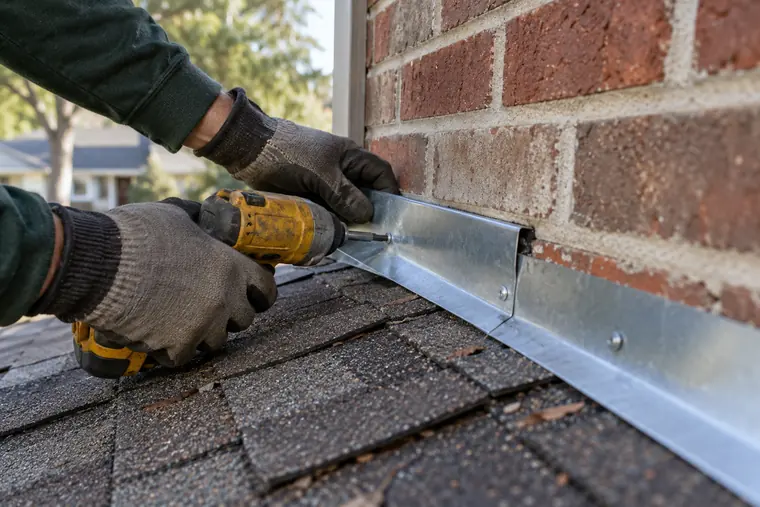
Rodent Exclusion
The work that keeps rats and mice out for good. Every gap at the roofline, foundation, vents and utility lines found and sealed with metal, then traps to clear what is inside.
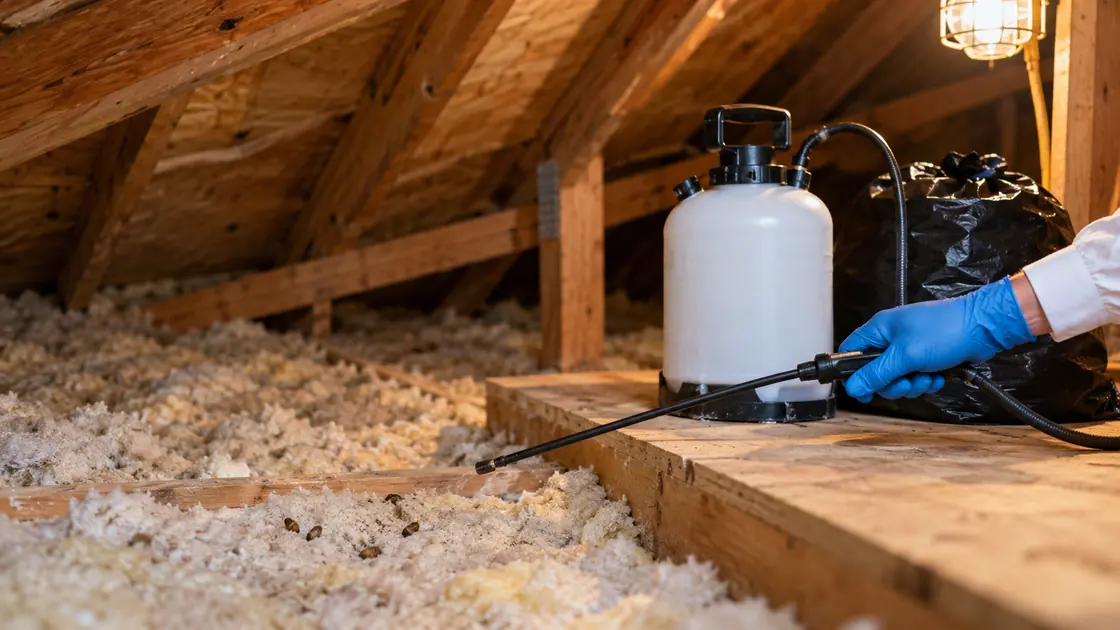
Rodent control in Rocky Mount for roof rats in the attic, mice in the kitchen and Norway rats under the shed, on both the Nash and Edgecombe sides of town. Roaches, fire ants and mosquitoes too.
Writing down where local pest problems were seen near Winstead Avenue corridor, including the hose bib, makes the Rocky Mount visit shorter and more exact.
Rodent exclusion is the core job. The other three are the pest calls that fill the rest of the schedule in Rocky Mount.
Call and describe what you are seeing, and a technician inspects before anything is treated.
The work that keeps rats and mice out for good. Every gap at the roofline, foundation, vents and utility lines found and sealed with metal, then traps to clear what is inside.
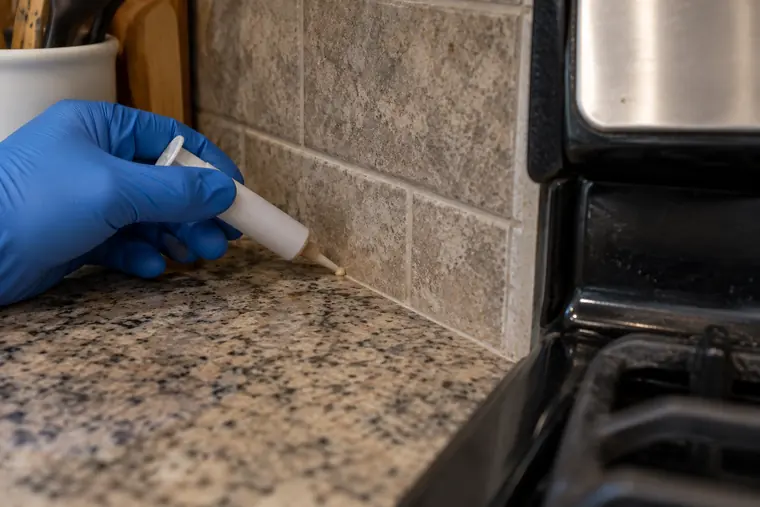
German roaches in kitchens and rentals, and the big American roaches that come up from drains and crawlspaces after rain. Bait, crack-and-crevice work and a follow-up.
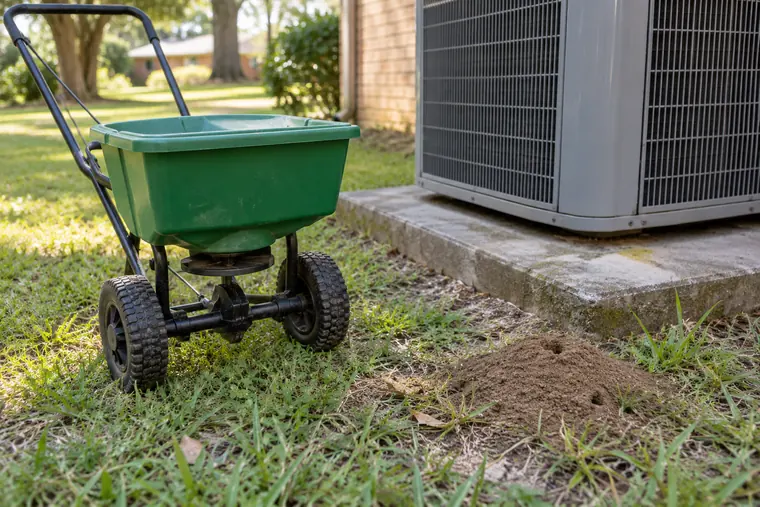
Mounds in the lawn, along the drive and around the AC pad. A yard-wide bait the workers carry to every colony, plus direct treatment of mounds near doors and play areas.
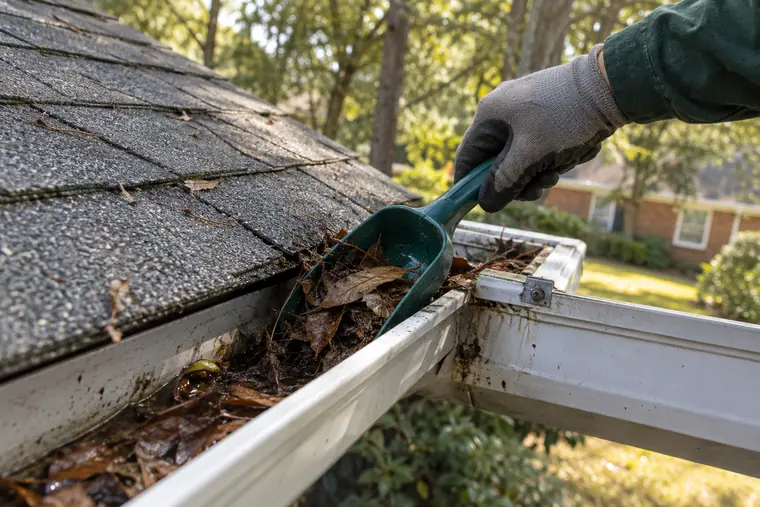
Barrier treatments on the shrubs and shade where mosquitoes rest, and a walk of the yard to find the water where the next batch is breeding.
What are you noticing?
Pick the closest match to read what it usually means.
Norway rats are heavier burrowers that live along the Tar River banks, drainage ditches and around dumpsters, then dig under sheds, slabs, woodpiles and porches.
Call about norway ratsRead moreWhen the fields around Rocky Mount are harvested, house mice move into homes, garages and sheds.
Call about house miceRead moreWhen the Tar River floods, as it did after Hurricane Floyd in 1999 and again after Matthew in 2016, rats are pushed out of the river banks and low ground and into...
Call about rodents after floodingRead moreIn Rocky Mount, local pest problems near Tarboro are traced from the ridge vent, not from a product chosen before anyone looks.
Call about german cockroachesRead moreThe big reddish roaches that fly short distances and come up through floor drains, crawlspaces and garage doors, usually after heavy rain or a hot spell.
Call about american cockroachesRead moreRodent control in Rocky Mount, NC is most of what we do.
Call now if you hear running in the attic at night, find droppings in a cabinet or see a rat cross the yard.
A technician inspects the house from the roofline to the crawlspace, finds every gap rodents are using, and gives you a price for sealing and trapping before any work begins.
In Rocky Mount the calls we get most are roof rats in the attic and mice in the kitchen, and they spike in the fall.
Eastern North Carolina farmland surrounds the city on every side, and when the cotton, peanuts, sweet potatoes and soybeans in Nash and Edgecombe counties come out of the ground, the mice and rats living in those fields look for the nearest warm building.
Pecan and oak trees that hang over rooflines give roof rats a highway into attics. The Tar River and the creeks that feed it give Norway rats damp banks to burrow in.
The rest of the work follows the climate.
Long humid summers keep German and American cockroaches busy, fire ant mounds pop up in every lawn, and the river bottoms breed mosquitoes from spring to fall.
Those are handled too, but rodents lead here.
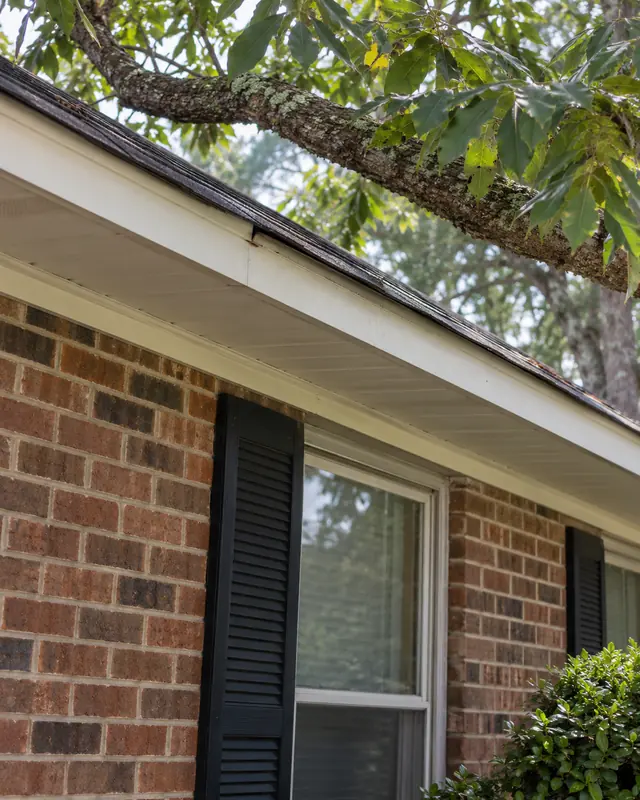
We treat rodents as a building problem. Traps catch the rats you have. Sealing the gaps stops the next ones.
Every rodent job here includes an inspection for entry points, because a house that is not sealed will have rats again by next fall.
We know the houses. Rocky Mount has everything from mill-era homes near the old cotton mill on the Tar River to brick ranches along Sunset Avenue and newer houses out toward Nashville and Red Oak.
Older homes have crawlspace vents, settled foundations and gaps around original plumbing. Newer ones have gable vents, soffit returns and AC line sets that are rarely sealed well.
The technician checks the weak spots for your kind of house.
We use metal, not foam. Rats chew through spray foam in a night. Gaps get copper or steel mesh, hardware cloth, metal flashing and sealant, and door sweeps where daylight shows under a door.
No loose poison in your attic. Indoors, rodents are trapped so they can be removed.
Poison scattered in an attic leads to rats dying inside walls and a smell that lasts for weeks. Bait, where it makes sense, stays outside in locked stations.
You hear the price before the work. Rodent jobs vary a lot, from a few gaps on a one-story slab house to a full roofline on a two-story home.
You get the cost for your house after the inspection, and nothing starts until you agree.
North Carolina licensing. Pest and rodent control for hire in North Carolina is licensed through the Structural Pest Control and Pesticides Division of the N.C.
Department of Agriculture and Consumer Services. Ask for the license number when you call.
Rodents first, then the other pests behind most calls in Nash and Edgecombe counties. Each one with the signs, why it happens here and what the visit does.
Roof rats are climbers.
They run along tree limbs, fences and utility lines and slip into attics through gaps at the roofline, gable vents, soffit returns and the spot where a lower roof meets a wall.
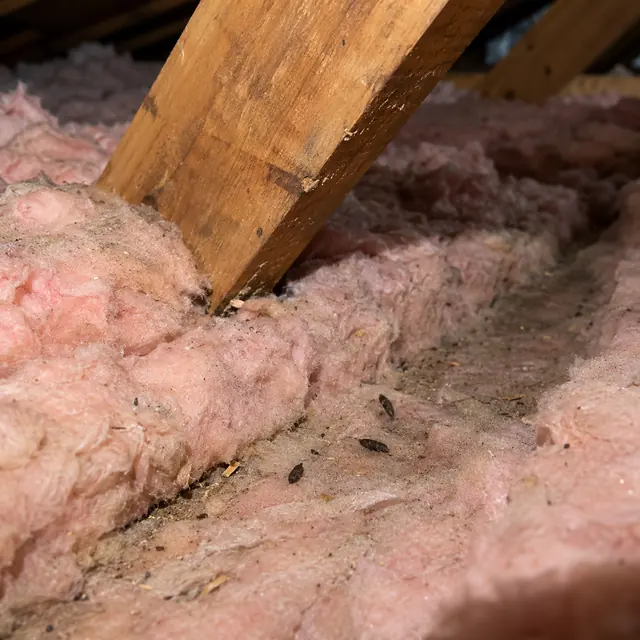
You hear them in the evening, running in the ceiling, and find half-inch droppings with pointed ends in the attic. Sealing those roofline gaps is the heart of rodent exclusion.
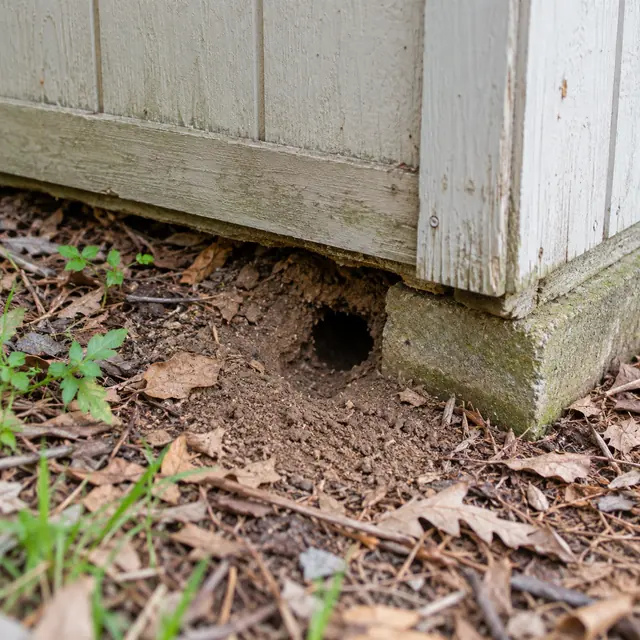
Norway rats are heavier burrowers that live along the Tar River banks, drainage ditches and around dumpsters, then dig under sheds, slabs, woodpiles and porches.
Fresh burrows two to three inches wide, rub marks along the foundation and droppings near pet food and feed are the signs.
They get in at ground level through drains, crawlspace vents and gaps under doors.
When the fields around Rocky Mount are harvested, house mice move into homes, garages and sheds.
Small rice-sized droppings in the pantry, drawers and behind the stove, and light scratching in walls at night, are typical.
A mouse fits through a gap the size of a dime, so sealing small openings matters as much as the big ones.
When the Tar River floods, as it did after Hurricane Floyd in 1999 and again after Matthew in 2016, rats are pushed out of the river banks and low ground and into buildings on higher ground.
After any major high water, expect more rat activity in the blocks near the river for weeks afterward.
Homes around Westridge get the local pest problems inspection at the bath trap first, because that is where the activity usually starts.
A Rocky Mount home with local pest problems at the utility chase needs that spot named when you call, so the visit starts in the right place.
The big reddish roaches that fly short distances and come up through floor drains, crawlspaces and garage doors, usually after heavy rain or a hot spell.
They live outside and in sewers, so the fix is an exterior treatment and sealing the entry points.
Fire ants are well established across eastern North Carolina.
Mounds of loose soil with no hole on top show up in sunny lawns, along sidewalks and around air conditioner pads, and a disturbed mound means painful stings.
A broadcast bait across the yard reaches the colonies you cannot see.
The Tar River, its swamps and the low ground around Battle Park make for a long mosquito season, and the day-biting Asian tiger mosquito breeds in buckets and gutters in every neighborhood.
Barrier treatments on shady resting spots plus dumping standing water keep a yard usable.
Eastern subterranean termites are active across the coastal plain and swarm in spring. Mud tubes on crawlspace piers and foundation walls are the giveaway.
If you see swarmers or tubes during a rodent inspection, the technician will point them out so you can have them looked at.
Rocky Mount sits on the line between Nash and Edgecombe counties, with the county line following the railroad through downtown. We cover both sides of town and these nearby communities.
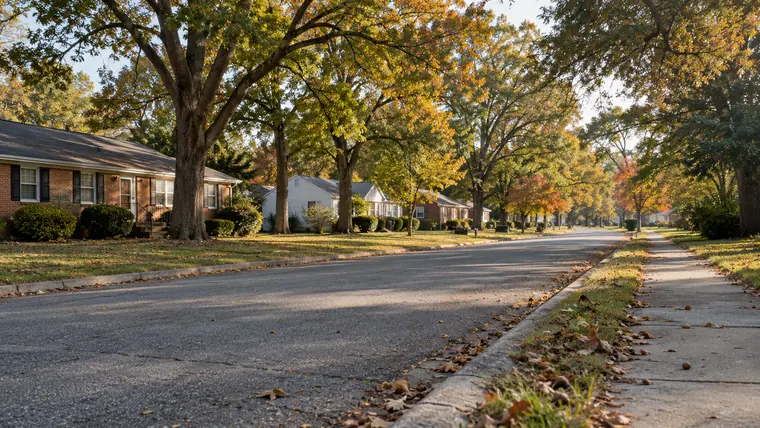
Homes near the Tar River and the low ground east of downtown see the most Norway rats and the most rat activity after high water.
Houses with big pecans and oaks along Sunset Avenue and in the older west-side neighborhoods get roof rats in the attic.
Places on the edge of farmland, from Battleboro and Red Oak to the roads toward Nashville and Spring Hope, get the fall wave of mice.
Rocky Mount sits on the Tar River between the Nash and Edgecombe county lines, with hot, humid summers, mild winters and farm fields all around town.
Rodents follow the crops and the weather, so the calendar matters.
The local pest problems check in Rocky Mount covers the dishwasher line and the expansion joint on the same walk-through.
After the cotton, peanut, soybean and sweet potato fields are harvested, house mice (*Mus musculus*), deer mice (*Peromyscus maniculatus*) and hispid cotton rats (*Sigmodon hispidus*) lose their cover and move toward homes, sheds and barns.
Roof rats (*Rattus rattus*) feed on pecans and acorns and move into attics as nights cool.
Homes around Battleboro get the local pest problems inspection at the bath trap first, because that is where the activity usually starts.
Rodents nest in attic insulation, crawlspaces and wall voids, and roof rats travel along the roofline and utility lines at night.
German cockroaches keep breeding in heated kitchens. This is the best season for attic inspections and sealing the roofline.
Rodents born over the winter spread out, and Norway rats (*Rattus norvegicus*) dig new burrows under sheds, slabs and woodpiles.
Eastern gray squirrels (*Sciurus carolinensis*) and southern flying squirrels (*Glaucomys volans*) raise young in attics. Subterranean termites swarm on warm days after rain.
In Rocky Mount, local pest problems near Nashville are traced from the ridge vent, not from a product chosen before anyone looks.
Heavy storms and Tar River flooding push rats out of low ground and drainage areas, and fire ants and mosquitoes peak.
Summer is a good time to clear brush, trim trees back from the roof and fix crawlspace vents before the fall rush.
Do not close up the stored firewood before the inspection for local pest problems in Rocky Mount, or the useful evidence is gone.
Roof rats are usually heard in the attic in the evening; mice more often turn up in kitchens and drawers.
Roof rats prefer high places. They come in at the roofline and nest in attic insulation, coming down into walls and kitchens only when they need food or water.
Will you use poison inside my house?
No loose poison inside. Indoor rodents are trapped so they can be removed. Locked bait stations may be used outside along the foundation.
Sealing is usually done in one visit, and trapping takes one to a few weeks depending on how many are inside. Follow-up visits continue until there is no new activity.
Yes, easily. That is why gaps are sealed with copper or steel mesh, hardware cloth and metal flashing.
Do you clean up the attic afterward?
The technician will tell you how much contamination there is. Light droppings can be cleaned up; heavily soiled insulation may need to be removed and replaced, which is quoted separately.
Yes. Cockroaches, fire ants and mosquitoes are handled too, and a rodent inspection often turns up roach or termite signs that are worth pointing out.
Can someone come out today?
Call now and ask for the first open time. You get a straight answer about the schedule rather than a promise.
Pest and rodent control for hire in North Carolina is licensed by the N.C. Department of Agriculture and Consumer Services. You can ask for the license number on the phone.
When the fields around Rocky Mount are cut, mice and cotton rats lose their food and cover and move to the nearest buildings. Homes near fields see a jump in calls every fall.
Yes. Southern flying squirrels are common in the wooded parts of eastern North Carolina and slip through small roofline gaps. They are active at night, so their noise is often mistaken for rats.
Yes. Floodwater drives Norway rats and other rodents out of burrows along the river, ditches and drainage areas and toward higher, drier ground, including homes. After a flood, check crawlspaces and sheds.
In Rocky Mount: 27801, 27803, 27804. Nearby: Nashville 27856; Spring Hope 27882; Tarboro 27886; Battleboro 27809. Not sure about your ZIP code? Call now and give us your street.
Call now, tell us what you are hearing or finding, and a technician will inspect the house, show you the gaps and quote the work before anything is done.
Near Winstead Avenue corridor, local pest problems turn up at the dryer vent before they turn up in the main rooms.